

Already a member?
Sign inBecome part of the foremost online community!
Sign Up NowOr, download the The Glaucoma Community app on your phone


If you’ve been prescribed eye drops for glaucoma, here are some helpful tips on how to self-administer them and minimize unwanted potential side effects with the NLO technique.
If you’ve been diagnosed with glaucoma, one of the most commonly prescribed treatments is eye drop medications. Eye drops are used to manage glaucoma by lowering intraocular pressure (IOP). They typically help the fluid in your eye drain better and/or reduce the amount of fluid your eye produces.
Here are some useful tips on how to self-administer eye drop medications and minimize undesirable potential side effects.*
When you administer eye drops, some of the liquid can go into your tear drainage system (nasolacrimal duct), which is located in the corner of your eye by your nose. From there, it moves to the sinuses and is absorbed into the blood. You may experience uncomfortable side effects when the drug reaches other parts of the body, such as the heart, liver, or kidneys.
These side effects can include:
To avoid these side effects, the nasolacrimal occlusion (NLO) technique is recommended when self-administering eye drops.
The NLO technique:
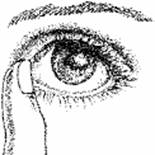
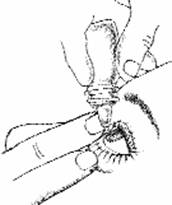

If you need to administer more than one type of drop, you must wait at least 15 minutes before you do the next application.
In addition to the NLO technique, the following tips are important to follow when using eye drops.
*Prevent Blindness. (Accessed on May, 2026). “Taking Eye Drop Medications”. preventblindness.org
The information provided by The Glaucoma Community is for educational purposes only and does not replace professional medical advice. Always talk with your healthcare provider before making changes to your treatment or care. The Glaucoma Community does not endorse specific treatments, providers, or products.
Source: {{articlecontent.article.sourceName}}
Receive daily updated expert-reviewed article summaries. Everything you need to know from discoveries, treatments, and living tips!
Already a Responsum member?
Available for Apple iOS and Android


We've sent a report to our community managers who will take the necessary steps. This member will be removed form your Community Chat and will no longer be able to message you.
Please contact us if you have any questions.
Add Comments
Cancel