

Already a member?
Sign inBecome part of the foremost online community!
Sign Up NowOr, download the The Glaucoma Community app on your phone


Glaucoma research Foundation, AAO, and others
Learn how to prepare for a glaucoma eye exam, what information to bring, and which questions to ask your doctor to get the most from your appointment.
If you’re living with glaucoma, regular eye exams are one of the most important ways to protect your vision. These appointments help your eye doctor monitor changes in your eye pressure, optic nerve, and visual field (side vision) so they can determine whether your treatment is working.
However, eye exams can sometimes feel rushed, and it can be easy to forget important questions or details about your symptoms. Taking a few simple steps before your appointment can help you get the most out of your visit and ensure your care team has the information they need to make informed treatment decisions.
Here’s how you can prepare for your next glaucoma appointment.
A little preparation can make your appointment more productive.
Consider bringing:
It’s also helpful to write down any questions before you arrive. Many people intend to ask questions but forget once the appointment begins.
If you use glaucoma medications, your doctor will want to know:
Be honest about challenges with your treatment. If your eye drops sting, cause redness, are difficult to afford, or are hard to remember, let your doctor know. There may be alternative options available.
Glaucoma often progresses slowly, but changes can still occur between appointments.
Write down any symptoms you’ve experienced, such as:
Even if you’re unsure whether a symptom is related to glaucoma, it’s worth mentioning.
Your doctor may perform several tests to monitor your eye health. These may include:
This test measures intraocular pressure (IOP), or the pressure inside your eye. Elevated eye pressure is one of the main risk factors for glaucoma progression.
Your optic nerve carries visual information from your eyes to your brain. Because glaucoma can damage this nerve, your doctor will examine it carefully during each visit.
You may also have imaging tests, such as Optical Coherence Tomography (OCT), that provide detailed images of the optic nerve and surrounding tissues.
A visual field test checks your peripheral vision.
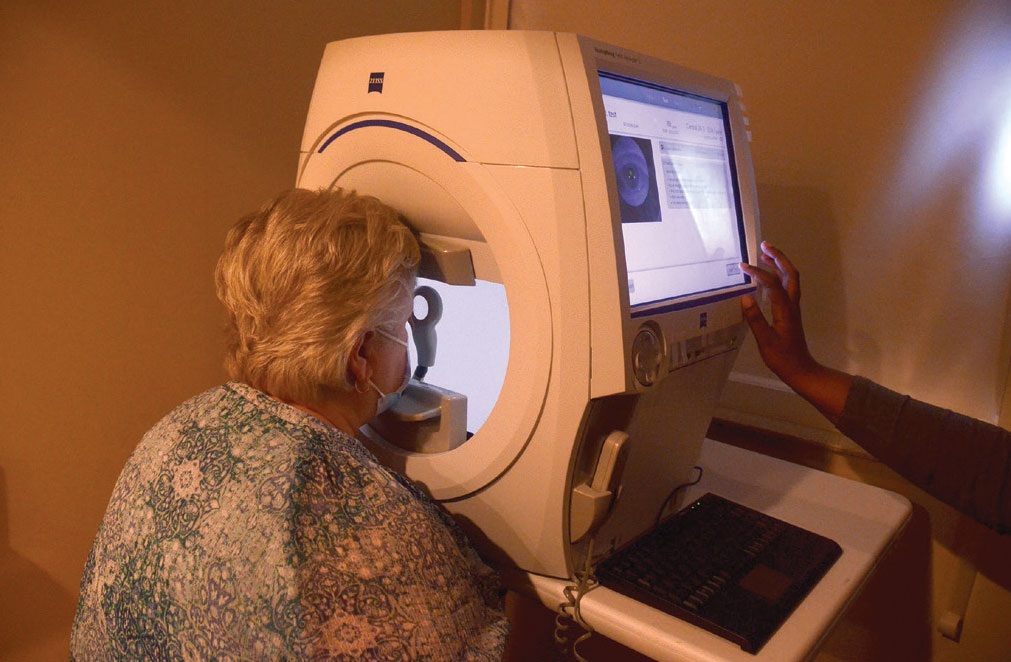
This test can help detect vision loss that may not be noticeable in everyday life. Comparing results over time allows your doctor to identify whether glaucoma is stable or progressing.
Some patients may have a test called pachymetry, which measures the thickness of the cornea (the clear front surface of the eye). Corneal thickness can affect eye pressure readings and may help your doctor better understand your glaucoma risk.
Depending on your situation, not all tests will be performed at every appointment.
Being an active participant in your care can help you better understand your condition and treatment plan.
Consider asking:
If your doctor mentions a medical term you don’t understand, don’t hesitate to ask for clarification. Understanding your condition can help you feel more confident about managing it.
Some glaucoma appointments may include pupil dilation.
Dilation allows your doctor to get a better view of structures inside your eye, including the optic nerve. However, it can temporarily cause:
Consider bringing sunglasses and, if possible, arranging transportation if you are uncomfortable driving afterward.
Another set of ears can be helpful. A family member or trusted friend may help you:
This can be especially valuable if you’re receiving a new diagnosis or discussing surgery or other procedures.
Glaucoma care is a long-term partnership between you and your eye care team. Preparing for your appointments can help you make the most of each visit, better understand your condition, and stay informed about your treatment options.
By bringing the right information, tracking symptoms, and asking questions, you can play an active role in protecting your vision and managing glaucoma over time.
References:
The information provided by The Glaucoma Community is for educational purposes only and does not replace professional medical advice. Always talk with your healthcare provider before making changes to your treatment or care. The Glaucoma Community does not endorse specific treatments, providers, or products.
Source: {{articlecontent.article.sourceName}}
Receive daily updated expert-reviewed article summaries. Everything you need to know from discoveries, treatments, and living tips!
Already a Responsum member?
Available for Apple iOS and Android


We've sent a report to our community managers who will take the necessary steps. This member will be removed form your Community Chat and will no longer be able to message you.
Please contact us if you have any questions.
Add Comments
Cancel